Anti-Inflammatory Diet Factors

If you have osteo-arthritis, an inflammatory disease (Fibromyalgia, IBS, etc), or unexplained issues, listen up: There are ways to alter your diet that will help decrease your pain! It’s also very helpful when you want to reduce inflammation after an injury or surgery. Even if you don’t want to make permanent life changes, following these guidelines when you are having a particularly bad time will help.

1) Avoid sugar. This includes soda* and high-glycemic foods that will break down quickly into sugars. White bread, pasta, and starches will all contribute to inflammation.

2) Avoid fried foods. Enough said.

3) Grain-fed red meat is a problem for some people. Grass-fed meat is less inflammatory, since the fat structure is different.

4) You can counteract pain by eating ANTI-inflammatory foods. Dark leafy greens like kale and spinach will help a lot. Berries (except for goji and blueberries), turmeric, garlic, celery, pineapple, cocoa, ginger, and foods containing good fats (extra-virgin olive oil, coconut oil, avocado, salmon, nuts & seeds) are great, too. If you are sensitive to oxalates, however, be careful not to overdose on the dark leafy greens.

5) Foods your body doesn’t like. More and more, I’m seeing personal sensitivities to foods that are healthy for others. In particular, women past menopause seem to develop food allergies. This can be a delayed response, so it’s hard to recognize. Reactions to dairy or wheat, for example, are pretty common. I’ve also seen legumes, eggs, oats, soy, and even vanilla. Every body is different. Inflammation in the gut will encourage inflammation all over the body.
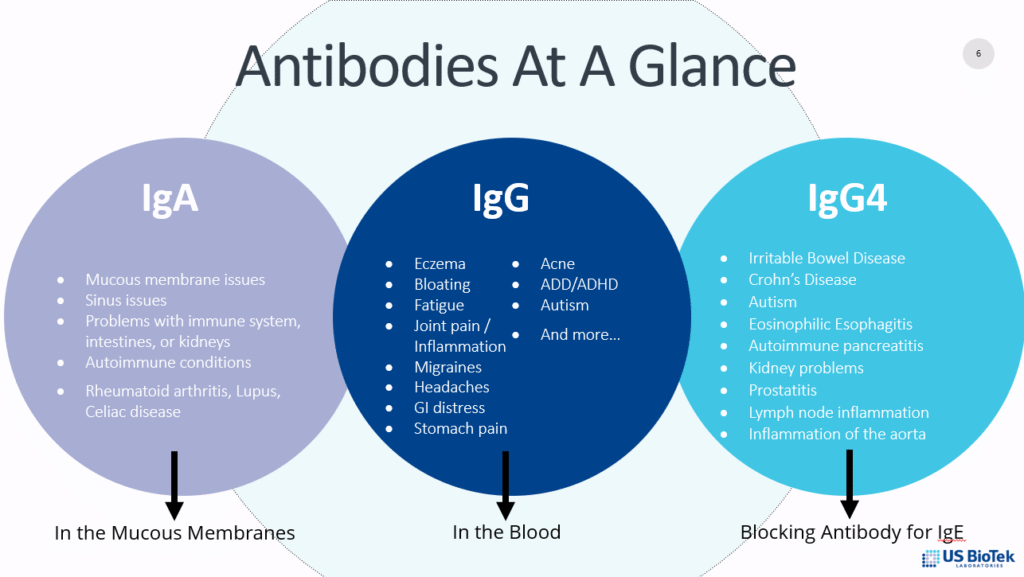
A chart explaining antibodies for IgA (mucus membranes, etc), IgG (joint pain, headaches, GI trouble), and IgG4 (IBS, kidney problems, etc).

My IgG reaction, for example, shows up wherever I have arthritis. For me that’s my hands and lower back, and I very much feel the difference the next morning. This doesn’t mean you have to give up the problematic food forever! You can pick your battles, and choose when it’s worth it. The best news is that – because allergies are your immune system over-reacting to a benign substance – in some cases, avoiding a particular irritant can correct the overreaction and “heal” the allergy over time! Acupuncture helps speed up this process.

The changing, adapting nature of our immune systems also means that a test more than 2 years old should probably be repeated to identify new triggers. Most MDs only test for IgE, the deadly anaphylaxis type of reaction. These three above are more subtle, but can make you miserable.

You can skip testing and do an at-home elimination diet, but that requires a serious commitment. You can also keep a spreadsheet of everything you’re eating, and track your symptoms, to find patterns. I like putting foods down the side, and dates across the top. As I eat something, I check off the box for that ingredient and that day. Since mine manifests as joint pain the next morning, I get up and color code the previous day: White for no pain, pale yellow for a twinge, yellow for moderate achiness, red for pain. After a few weeks I could look back and see which foods were causing trouble. This is what worked for me – you should use whatever format works for you.

I now also have access to blood testing (we prick your finger in the office and send off a blood spot card) that can identify which foods you’re reacting to. It’s not cheap, but it’s incredibly helpful and much easier / faster than a thorough elimination diet. Finding out all the foods that were causing trouble has eliminated my daily pain!! 

I tried going off wheat and dairy for a month last year, and didn’t see a difference, so I went back to them. It turns out I was also having an inflammatory reaction to eggs and oats, which were my usual two breakfast options. Cutting them all out (in addition to the nightshades I had already banned) made a stunning difference. In three days, my extensive joint pain just evaporated. I’m pain-free for the first time in decades! I’m NOT saying everyone needs to avoid all these foods: This was how my body was reacting. You may have fewer allergies, or none at all. 

After two months of eating a strictly anti-inflammatory diet, I had a weekend camping with friends, full of wheat and dairy, and still felt great. The pizza I had Sunday evening pushed me over the edge though – Monday morning my hands and lower back were definitely speaking up. I expected that would happen, and made a quality of life choice to enjoy that pizza! And yes, it was totally worth it. 

6) The Nightshade (Solanaceae) plants contain a small amount of an alkaloid toxin called solanine. Some people aren’t bothered by it. Other people, especially those with auto-immune issues & arthritis, tend to be sensitive to this family of plants. Most are unaware of the pain they are causing themselves, because they eat them so often, and because the inflammation & ache are delayed up to 24 hrs.

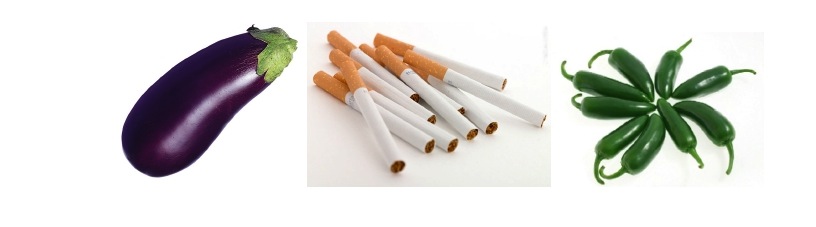
Tomatoes
Potatoes (Sweet potatoes and yams are ok)
Peppers, including spicy, chili, and bell peppers, and paprika (Black, white, and green pepper is ok- it’s actually a peppercorn. Long pepper is ok, too.)
Eggplant
Tobacco

Although less well known, Goji berries and gooseberries are nightshades, too.

Note: Blueberries, huckleberries, artichokes, cherries, apples, sugar beets, and okra are not in the Nightshade family, but they also contain solanine.

The good news: It’s very easy to find out if you are Nightshade sensitive. Simply remove all of them from your diet for two weeks You’ll have to read labels carefully. “Spices” may contain paprika, and lots of prepared foods like shredded cheese can contain potato flour, labelled as “cellulose.” After two weeks of avoiding them, have a big dose. Enjoy that eggplant parm with marinara sauce, a pile of potatoes, or drink a V8. See how you feel that evening and the next day. If within 24 hrs your pain is worse, you are Nightshade-sensitive. Wherever you have inflammation, that’s where it will show up. If not, congrats – you can go back to all the tomatoes you want.

The alkaloid is degraded by extreme heat. Deep-frying will destroy solanine … but fried foods are inflammatory for other reasons, so don’t get too excited. I will eat a small amount of potato chips on a special occasion because they are fried all the way through, but not french fries, since they are still squishy in the middle.

The combination of Nightshades and sugar is a doozy. I can get away with a small amount of tomato paste, but even a tiny squirt of ketchup used to make my hands ache the next day.

Following an anti-inflammatory diet is a relatively simple way to decrease your pain and make a real difference in your quality of life. Some people have inflammatory reactions to dairy or wheat, and that may be worth testing the same way as the Nightshades. You don’t have to be perfect all the time – just make conscious choices.

Spicy food junkies: Fear not! You can still enjoy horseradish & wasabi, onion, garlic, ginger, and all the peppercorns, including long pepper.

Here’s a nightshade-free curry recipe and one for NonNightshade Mexican. Substitute either cauliflower or sweet potatoes for regular potatoes. Pizza and pasta are great with pesto sauce. There are wonderful southern vinegar-based BBQ receipes. There’s even a “No-Mato” marinara sauce I found online (OMG SO GOOD!!!! I used the higher levels of spice for everything and loved it! If you use all regular beets it’s purple. If you use 50% regular beets and 50% golden beets, you’ll get a red sauce with a less “beety” taste. Freezes well, too!).

Like to eat out? Free restaurant cards are here. 

UPDATE: Now that I’ve been Nightshade-free for a while, my sensitivity has decreased drastically.  There seems to be a cumulative effect. By staying away 99% of the time, and preventing a build-up of inflammation, you can enjoy the occasional indiscretion. This is more and more true as time goes on! Now, I can “cheat” about once a week without effect. I can even indulge in big naughtiness once in a while. Be patient! 

*Diet soda isn’t a good solution. While it doesn’t contain sugar, the artificial sweeteners cause their own problems, including triggering the body to start storing more calories as fat.



CBD for you & your furry friends, too!

First – the basics. There are two major types of active chemicals in marijuana. THC gets you high, and is federally regulated. CBD doesn’t, and isn’t. With CBD there’s no high or sleepiness, and with the sublinguals (liquid you drop under your tongue) you don’t get that weird feeling that edibles can create. It’s amazing for nerve pain and anxiety. Another reason I prefer the sublinguals to edibles is that they take effect within minutes, instead of hours. That also means it’s easier to dose: You can try a small amount and increase as needed with very quick feedback.

Bottles and tubs of Frogsong CBD products.

I did a lot of research before I decided which brand of CBD supplies to carry… The vast majority of products out there are low potency, low quality, and are in a cheap substrate (base) which means they don’t absorb well. Please don’t buy your medication at a grocery store, head shop, or gas station!

I started carrying Frogsong in 2018. This is a local family company run by some really terrific people. They actually derive their CBD from hemp. From them, I have:

Drops: Sublingual tincture, best for anxiety and all-over pain, like Fibromyalgia or widespread arthritis.

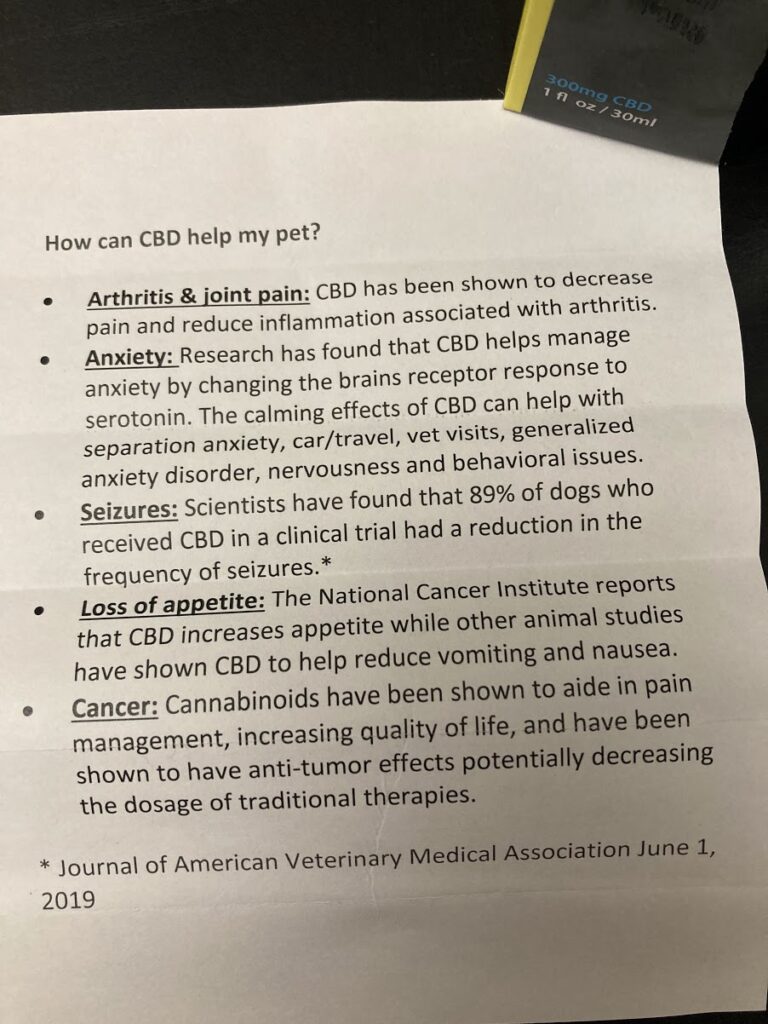
Drops for Pets: Frogsong is now offering a version for fur babies, too! You can put it in their food, or have them lick it from your hands. I used to dose my critters with Rescue Remedy by putting it on their ears for quick absorption with no hassle. I believe this will work for the CBD Drops as well. The packaging contains dosing instructions, and this information:

Body Balm: A light, lemony, aloe-based gel that absorbs quickly into the skin.

Rubbit: A heavier, moisturizing, minty salve. Fantastic for foot neuropathy or any place your skin needs a little extra help.

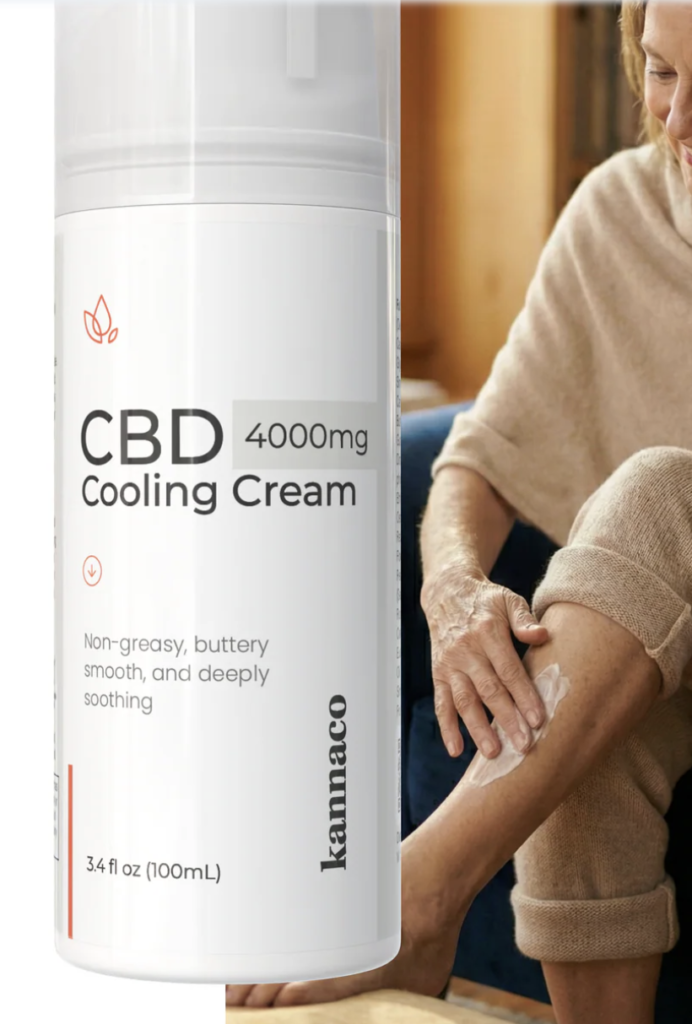
picture of a white pump bottle of CBD cooling cream. in the background, someone is putting some cream onto their leg

I also carry Kannaco. They offer a topical CBD salve with menthol (nice for immediate pain relief) and Snooze Sleep Aid, a capsule with CBD and melatonin. My patients have been reporting excellent results with both.

Note: CBD is generally regarded as safer to combine with prescription medication than THC, but you should talk to your doctor if you have a question about drug interaction safety. I have a Master’s Degree in Acupuncture and Oriental Medicine, but I’m not a doctor and pharmacology is not my area of expertise.

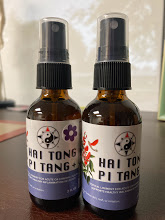
If you prefer to avoid CBD, I still have the ever-popular anti-inflammatory Hai Tong Pi Tang, or “pancake spray” – named for its distinctive maple syrup scent. I’ve been using this for a decade on sore joints, sunburns, etc. and am always amazed at how powerful this ancient Chinese herbal formula can be. And if breakfast food perfume isn’t your thing, I also have a lavender version.

Feel free to ask me about any of these pain-relief solutions. I am happy to use the topicals on you during your treatment, so you can see if they work for you.

Fascia – the best kept secret in healthcare

I’ve talked about fascia before in this blog, but I wanted to expand on the topic: It’s SO important, causing so many resolvable issues. It’s frustrating to me that fascia is unknown by average people, and ignored by so many types of healthcare practitioners. It’s ESSENTIAL in understanding biomechanical dysfunction and healing.

Fascia is the connective tissue that – literally – connects all of our parts. It’s why we are up walking around instead of a pile of organs and bones on the floor. These delicate layers of tissue are supposed to move past each other inside us as we move, but sometimes they get stuck. Trauma like injury or surgery, or a sedentary lifestyle over long periods, are frequent causes of fascial adhesions. 

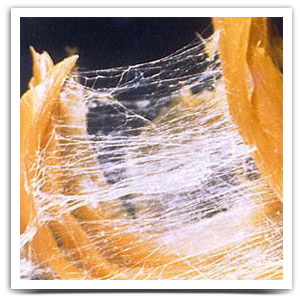
Once I bought a rotisserie chicken from a regular grocery store. As I was taking it apart, I was stunned at how bound up the bird was, compared to the free-range chickens I was used to. A lifetime of forced inactivity had created fascial adhesions all over – you know, that translucent white sheeting? The muscles were all shrink-wrapped in place. “This poor chicken needed a massage!” I told Robert. I felt so bad for it. Just another lesson on how important light, frequent movement is for our bodies.

Connective tissue / fascia (white) and muscle fibers (tan)

Tight fascia will pull on our muscles and bones, preventing free movement and potentially causing misalignments. In severe cases, it can constrict nerve and blood vessel function, creating swelling, pain, or numbness & tingling.

Resolving fascial adhesions is as simple as knowing the right medical massage technique, myofascial release. I can do it for you, and I can show you how to treat yourself and your loved ones.

For hard-to-reach areas, you can use a foam roller to soften the adhesions. I advise people to use it against a wall, rather than lying down on it, because you can control the pressure better. Remember you do NOT want to cause intense pain – that will spark an alarm response. The body will think you have a new injury and will send sticky connective tissue to glue up whatever is torn or bleeding – which means the adhesions you just broke up will reform themselves.  It’s best to use the roller gently, then move. Go for a walk or do your usual workout. Movement will help release those weakened adhesions.

Likewise, those home massagers and thumpers can be helpful, but I recommend you use the lowest setting, and don’t go for more than 10 minutes. 

Want to learn more? There’s a treasure trove of articles here.

Let me know if you have any questions!

The Science of Acupuncture

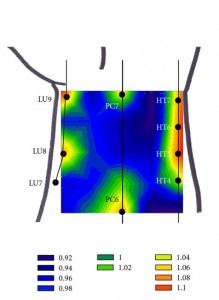
I get asked all the time… “How does acupuncture work?” Modern science is catching up with 10,000 year old acupuncture. I’ve said for years that we just don’t have the method for seeing the structures yet – just as we didn’t understand the minute complexities of the human body – or imagine MRIs! – 200 years ago. It looks like we are slowly figuring it out! This brief guide lists physiological changes with studies cited. Below are a handful of recent articles exploring the science of acupuncture (if you scroll past them, there’s more of my thoughts on the science of acupuncture). These are just the ones that I stumbled across. If I had to time to do an exhaustive search this would be a much longer blog post. :)

From the 4th article below: Oxygen pressure is higher at acupuncture points!

p6oxygen

 Acupuncture Tops Sham for Easing PTSD in Combat Veterans (not a surprise to me- I’ve been volunteering for the Returning Veterans Project since 2010)

Acupuncture affects fascia and an explanation for non-scientists

A “new organ” that Acupuncturists have been calling the San Jiao for thousands of years! 

 Acupuncture Biochemically Reduces Pain and Inflammation

MRI Reveals Acupuncture Modulates Brain Activity

CT Scans Reveal Acupuncture Points

New Brain Study – Acupuncture Fights Depression

Acupuncture Holds Promise for Treating Inflammatory Disease

Acupuncture Beats Gabapentin for Hot Flashes in RCT

Acupuncture as effective as drugs in treating pain, trial shows

Biological Evidence for the Existence of Acupuncture Meridians inside lymphatic vessels

Curtin researchers unlock the scientific reasons why acupuncture works – C fibers (nerve branches)

But what about “all those studies” that show it’s not effective?

First of all, there are plenty of studies that prove it works. Insurance companies (even the conservative ones) now cover needles for neck and back pain, because studies have specifically proved it, although some deny claims for, say, shoulder pain, because it hasn’t specifically been studied. Makes me want to roll my eyes. Ug.

Secondly, many of the studies that “prove” it doesn’t work are deeply flawed. They have doctors doing a few recipe points they learned in a 20 – 300hr class, rather than an actual acupuncturist. Sometimes the points they choose are completely mystifying to me – not only do they leave out important ones, but there are always one or two that just make no sense at all.

Thirdly, TCM differentiates the cause of disease, but lots of studies don’t. You can have a headache due to Yang rising, or Heart xu (deficiency). When a study gives the same treatment to everyone with a headache, of course it’s not effective! The western medical equivalent is putting people with viruses, bacterial infections, and allergies in one group, giving them all an antibiotic, then declaring that drugs don’t work for runny noses.

There are other problems too, like “sham” acupuncture doing “too well” so there isn’t a statistically significant difference. In one study I read back in school, they basically compared acupressure to acupuncture… then declared nothing worked since they both did. That’s just bad study design. There should have been a third control group with no treatment.

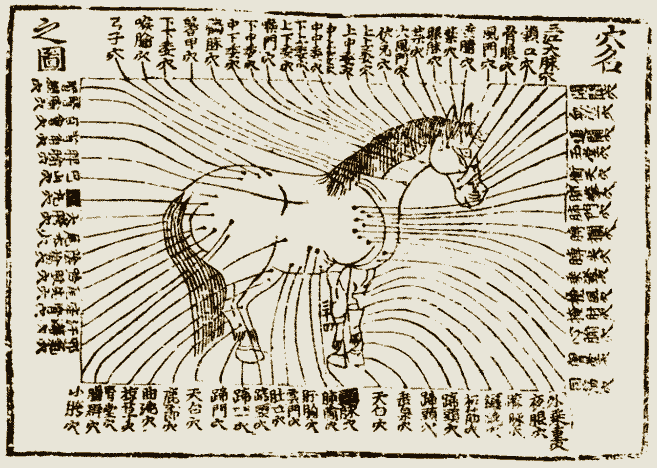
equine acupuncture

Equine acupuncture points from the Bagyuiho (Chinese horse and cow acupuncture text), 1399

And that whole placebo thing? It may play a part, as it does with every medical procedure, but it’s not the whole story. In other states (where it was legal without a vet supervising) I have successfully treated animals – there’s no placebo effect there! When a dog, lying limply on the floor and moaning, after 15 min of needles is bouncing up and down, jumping to kiss her owner’s face… that’s not a placebo. Neither is a rabbit regaining bladder and bowel control after a spinal injury. Of course those are anecdotal evidence, but they’re pretty compelling when they repeatedly happen in front of you. Googling for animal studies quickly gave me a whole new batch of data: Horses are studied most often because they have money-making “careers.” Even penguins benefit!

I’ll be perfectly honest – I’m not sold on some of the more esoteric aspects of TCM (Traditional Chinese Medicine). I don’t twirl my needles in a specific direction, for example. Thousands of years ago, when it was developed, there was philosophy as well as medicine involved, and like all ancient sciences, it could use a little update. But acupuncture itself is amazing. It stimulates neuromuscular junctions, which resets neurons (nerves control muscles, which in turn pull on bones). This helps break the cycle of spasms, or activate a non-firing muscle bundle. It reduces inflammation. It distracts nerve receptors and blocks transmission of pain signals. It helps break up fascial adhesions. With older, chronic problems it creates a microtrauma and alerts the body to a “cold case,” which restarts healing. It’s tremendous for nerve repair – check out my paper on stroke recovery. I’ve seen some truly stunning results from people who were locked inside their bodies, long after Western medical science said there would be no more improvement.

“Yang rising headaches,” is just a term for a diagnosis. It’s no more mysterious than “orthostatic hypotension’” for example, if you understand the language of TCM. The articles above show that we are just starting to understand how points work anatomically. I am confident that science will catch up and we’ll have a clear understanding of this system within my lifetime.

The good news is that it doesn’t really matter whether you believe acupuncture works… because it’s medicine, not voodoo, and it will anyway. :) The science of acupuncture is still evolving, but its effectiveness is clear.

The sacroiliac joint, sciatica, and unexplained lower back pain

I often have patients come in with a “mysterious” chronic lower back pain. Sometimes it’s described as lumbar or hip pain. They’ve been to doctors and chiropractors, but it still persists. As soon as they put their hand on it (low and to the side, where the buttocks meet the back) it’s pretty clear that the problem is the SI – the sacroiliac joint.

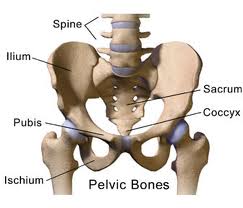
Pelvis

The SI joint – where the sacrum meets the ilium – is a long vertical area on the sides of the lower back. Back pain is often centered at the top of the SI joint.

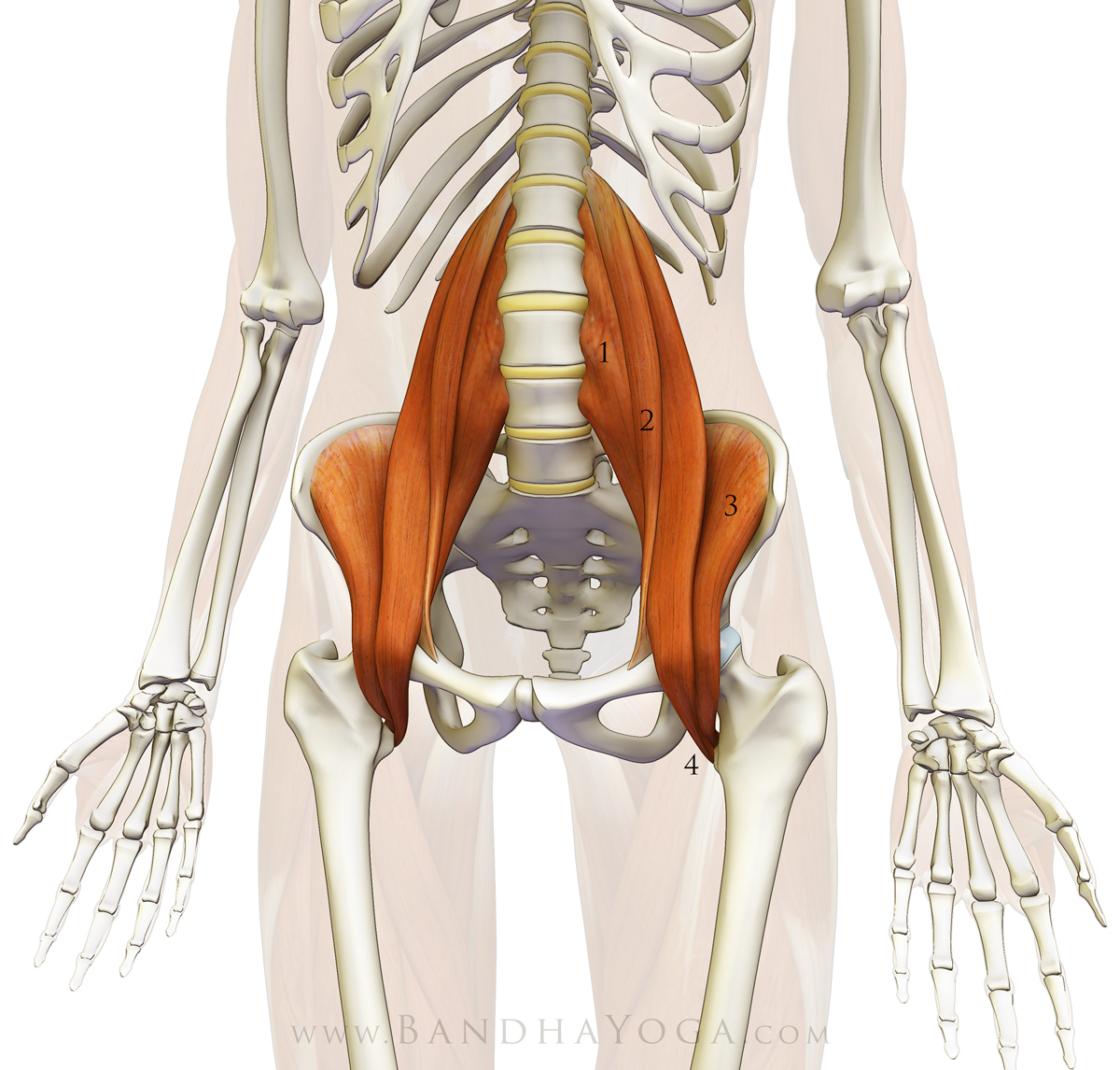
At the bottom of your spine is a triangular bone, the sacrum. Attached to that is your pelvis (made up of the ilium, ischium, and pubis). Your femurs, the long bones of your thighs, settle into a socket on the side of the pelvis. A complex set of ligaments and lots of muscles join all these bones. If one or more of these muscles is tight, weak, or spastic, it can throw the balance of the entire pelvic system off. A few of the major players are Iliopsoas, piriformis, and quadratus lumborum. These muscles keep us upright and help us walk, but when they go bad… I call them the Holy Trinity of Lower Back Pain.

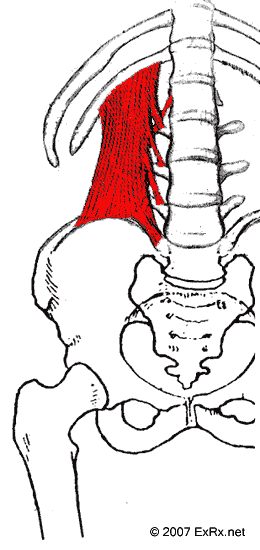
Quadratus Lumborum runs from the lower ribs to the top of the ilium. There are also connections to the spine. This is your "hip hiking" muscle - imagine a "belly dance" sort of motion - but if course it's essential in walking and other daily movements.

Quadratus Lumborum runs from the lower ribs to the top of the ilium. There are also connections to the spine. This is your “hip hiking” muscle – imagine a “belly dance” sort of motion – but if course it’s essential in walking and other daily movements.

Iliopsoas starts at the front of the spine and the ilium, goes through the pelvic cavity, and attaches to the femur. It gets tight on people who sit a lot, particularly if you are tense while sitting (motorcylists and people who hate their jobs).

Iliopsoas starts at the front of the spine and the ilium, goes through the pelvic cavity, and attaches to the femur. It gets tight on people who sit a lot, particularly if you are tense while sitting (motorcylists and people who hate their jobs). When tight, it jams the bones together and creates stress on the joints.


Piriformis

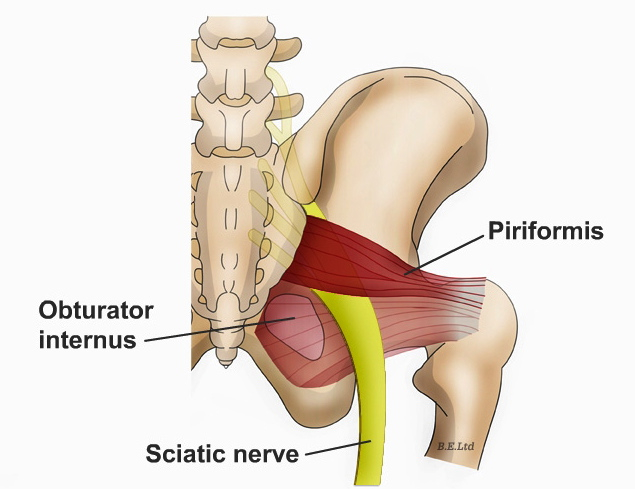
This is a back view. The piriformis muscle attaches at the sacrum, and goes across the butt to the femur. The sciatic nerve passes under it or through it, depending on your personal anatomy. When the piriformis gets tight, it squishes the sciatic nerve and can cause electric shocks or pain running down the leg.

With every step you take, the sacrum “nutates” – it tilts back and forth in relation to the ilium. If the bones are jammed together and can’t glide properly, it causes pain. Sitting can also be a painful prospect: If the joint is inflammed, the altered pressure of a seated position can be excruciating. I understand this very well because I developed lower back pain and SI problems along with a L4-L5 disc herniation after my car accident in 2001. I wasn’t able to sit at all for the 6 months before I discovered acupuncture and Osteopathy.

There’s rarely only one muscle involved. Usually a primary dysfuction causes a cascade of compensation with other muscles. Nerves can be pinched by either tight muscles directly or by a bone pulled out of place by a tight muscle (bones don’t move by themselves).  Nerve impingement can lead to pain radiating down the leg or into the genital area. Motor control as well as sensation may be affected. The leg may go weak, or a patient may experience bladder or bowel incontinence (If this happens, get to the ER immediately – they will take steps to relieve pressure on the nerve and prevent permanent damage).

In most cases, the first thing we have to do is reset the tension on the muscles. Acupuncture and medical massage will work wonders here. Once the soft tissue is corrected, I can generally realign the bones with fingertip pressure. They just slide back home with no drama or fuss. Now it’s a matter of allowing the irritated nerve to calm down, which can take 20 minutes to months (or never, in worst-case scenario), depending on the extent of the damage. Whenever you are dealing with entrapped nerves, it’s important to get care immediately. Releasing them quickly gives you the best shot at a full recovery like mine. Getting the pain knocked down allows you to rebuild. Rehabilition exercises and stretches (plus some myofascial release) will make your muscles strong and supple again, so they work properly, which will keep your bones in the right places. I no longer have any back pain, and I’m back in the gym doing heavy workouts including Romanian deadlifts!

Headache & migraine treatment options

Got a headache? The biggest cause is dehydration, so first, have a drink of water. Other common causes are caffeine withdrawal, high blood pressure, stress, low blood sugar, and tight neck muscles. If you have persistent or severe headaches, you should get them checked out by a healthcare professional (If only so they can say “It’s not a tumah!”), but for minor annoyances you can treat it yourself with acupressure (points listed below).

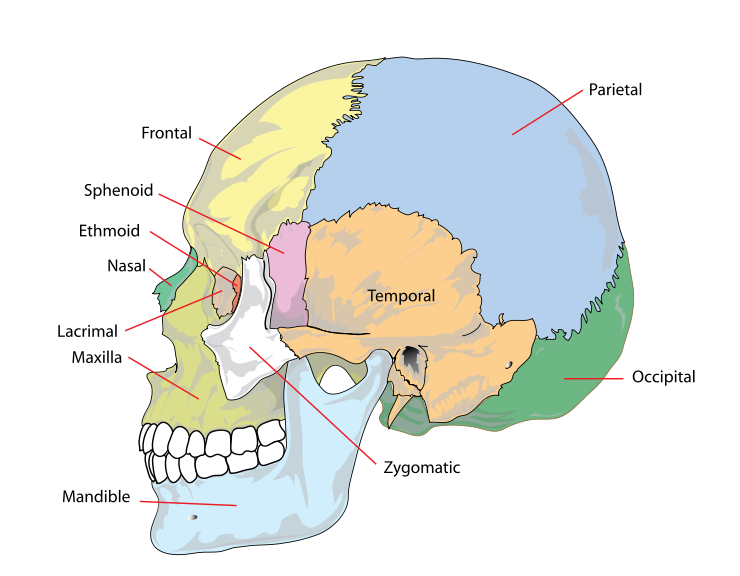
Human skull bonesI usually find that migraines are caused by hormonal imbalances, or by neck muscle tension pulling on cranial bones. Our skulls are not a giant fixed globe: There are lots of different plates and oddly shaped bones that make up our brain protection. The joints (called “sutures”) are shaped like jigsaw puzzles.

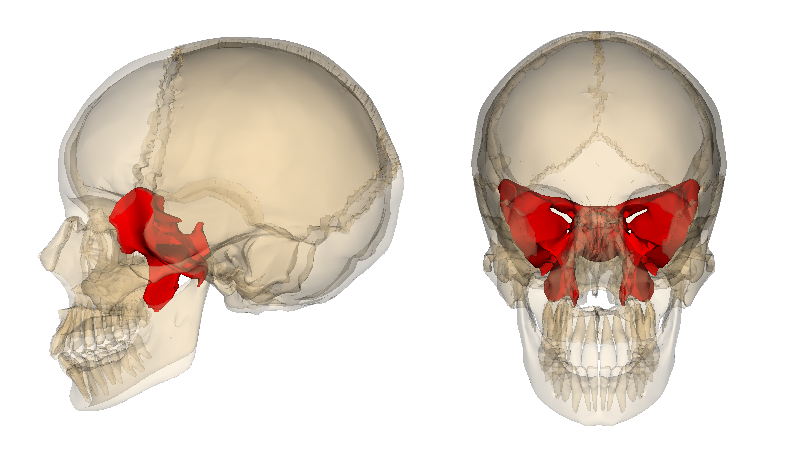
My favorite cranial bone, the sphenoid. It barely shows at the side of the head, but inside it makes a gorgeous butterfly shape. When torqued, it also gave me a monstrous migraine headache!

My favorite cranial bone, the sphenoid. It barely shows at the side of the head (it’s pink in the other picture), but inside it makes a gorgeous butterfly shape. When torqued, it also gives me a monstrous migraine headache! I keep my sphenoid happy by getting care for my neck, and using the acupressure points below when one threatens to attack…

Our bones move with a subtle pulsing called the craniosacral rhythm. If the neck muscles attached to the skull get too tight, they can jam up those joints and cause migraines. The fix: Acupuncture and medical massage for the muscles involved. Craniosacral therapy by a skilled practitioner is also wonderful, but be sure to see someone who’s thoroughly trained. A weekend seminar is not enough! If there are hormonal causes, acupuncture is superb for that as well.

We can also discuss some lifestyle changes that may help, like dietary changes, or glasses that mute florescent lights to reduce migraine occurence.

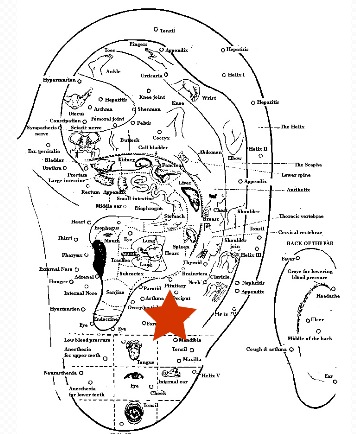
Here’s a handy acupressure point for any headache, including a migraine: It’s in that “second piercing” spot, below the anti-tragus. Press firmly for a few seconds. If you have an earring in, you should remove it if possible, at least until your headache passes. For more information on ear points, check out this article. Also, look at LI-4KD-1, and GB-21 and TB-5  if you have neck tension. There’s another point on the side of the lower leg than can be helpful for migraines: Run your fingertip up and down the outside of the shin to find a tender spot. And definitely read this if you’re considering a Daith piercing. 

Press firmly with a fingertip or fingernail. It will hurt, but it'll be worth it!
Press firmly with a fingertip or fingernail to stop a headache or migraine. It will hurt, but it’ll be worth it!

Chiropractic, a second look

Many D.C.s are great. If you are seeing a chiropractor and have had good success, fantastic! I am the last person to interfere with something that’s working. But if your “genius” has been “fixing” you for years and you are still the same as when you started… it might be time to rethink chiropractic.

Sure, you get temporary pain relief and a nice endorphin rush… but does it last? And is there a cost?

I am NOT a fan of the subset of chiropractors who indiscriminately and overzealously use HVLA adjusting (high-velocity, low amplitude – you know, that violent cracking). Low-force chiropractic like Network, BGI, and activator is absolutely safe, and there are lots of other techniques besides HVLA that are fine. HVLA is appropriate when used to correct an acute injury, like putting a dislocated shoulder back in the socket, but it should not be a frequent therapy. Repetitive stress of supportive ligaments and the resulting inflammation will actually damage the joint.

My information comes from my time at chiropractic school (I completed the first year, including the entire series of cadaver dissection, with nearly straight A’s), my knowledge of functional anatomy as a certified personal trainer and amateur bodybuilder, my 10 year partnership with an Osteopathic medical doctor, my experience seeing patients who have been damaged by repetitive HVLA, and discussions with many physicians of all types. I welcome input from any chiropractor who is interested in a fact-based discussion.

Personally speaking, I suffered a terrible injury when my car was broadsided in the first week of chiropractic school. Their treatments were making me worse, and the more I learned in school, the more I understood why.

1) It doesn’t treat the cause of the problem. Bones don’t move by themselves. If a bone is repetitively out of place, it’s because there’s a tight muscle pulling it that way, or a weak muscle failing to hold the bone in place. Jamming the bones back will cause micro-tears of that tight muscle. It feels good immediately, because you get a nice adrenaline rush along with your temporary fix. An enlightened chiropractic teacher compared HVLA to the shock and rush you get from a shot of vodka. Addicting, but not necessarily good for you. Unfortunately, as soon as the muscle goes back to its usual tight, spasming self, the bone will be pulled back out of alignment. That’s why you need to go back to the chiropractor the next week. Acupuncture and medical massage use the neurological system to retrain those tight muscles, so real healing can begin. 

This is why chiropractic works best for young, athletic people. Giving an optimally-operating, well-tuned nervous system a nudge in the right direction is all it needs to get back online. Unfortunately, that’s not the situation for most people.

2) Our ligaments and tendons are there for a reason. They provide much-needed joint stability and hold us together. Repetitive HVLA weakens them, and can destroy your joint integrity. We all know that an ankle, having been sprained three times, is pretty much guaranteed to twist again. You do not want that floppiness in your spine. You should not able to crack-crack-crack your back simply by stretching. That’s called hypermobility and it means you can move too much. If you have already been damaged by too much HVLA, you will need to strengthen your back and abdominal muscles to help support those loose ligaments and tendons. Hypermobile backs are more likely to suffer a serious injury if you have an accident (this is what happened to me!).

3) Your reflexes work against HVLA. Quickly yanking on a muscle – even a relaxed one – can cause damage and inflammation. There’s a built in protective reflex that tightens a muscle when it is suddenly lengthened. You can feel this: Fold your friend’s arm at the elbow and put your hand on their bicep. Straighten the arm quickly, and you can feel the bicep twitch under your hand. Now imagine that happening to an already-sore neck muscle being snapped.

4) The pop means nothing. The cracking sound doesn’t necessarily mean you’ve been adjusted properly. It’s called cavitation, and it means that nitrogen gas, naturally occurring in your joint fluids, has been released. A similar thing happens when you open a can of soda. The sound means the bones have been rapidly separated (opening the joint space) and then have come back together. They may have come back to the same position, a better one, or a worse one. Misalignments, when corrected gently OMM style, do not make a cracking noise because the joint space is eased into the correct position rather than violently forced.

5) First, do no harm. Some chiropractors don’t bother to diagnose which level is dysfunctional. They just “shotgun” you by cracking all the vertebrae in your spine. Then they flip you over and do the other side. Why cause stress and create inflammation in a joint that’s working? Added bonus: Whenever you have inflammation, scar tissue forms. Trauma (HVLA) every week leads to more and more scar tissue building up. That’s the last thing you need when you’re already hurting.

6) With repetitive strong adjustments, your body becomes dependent on that input. In chiropractic school we joked about “welfare spines.” I had a discussion with an instructor who was brutally blunt about the temporary nature of his treatments. “Of course they have to come back. That’s how you buy your boat.” I found that model of “medicine” distasteful and unethical. I prefer to help the body heal itself. I love acupuncture and OMM because they truly correct how your muscles function.  Combined with proper exercise*, this creates a body that is strong and capable of bouncing back after a minor injury. I don’t want to see you every week for the rest of your life. I’d prefer to get you better and self-sufficient, and then stay in business by fixing all your friends and family. :)

7) Some chiropractors think that HVLA is “the only way to reset a nerve.” That may be their only tool, but I can reboot the nerves that control muscles with acupuncture, Still, counterstrain and Sotai techniques. These last three are advanced medical massage methods that are easier to explain in person – ask me when you come in!

BTW:  “But I can’t help it!” When you are out of alignment, your body will naturally feel compelled to snap itself back in place. After my injury I used to violently crack my neck and back all the time. It never really solved the problem, though… refer to point 1 above! The good news is that the desire to self-adjust melted away when my muscles – and more importantly, the neurons controlling those muscles – were corrected by acupuncture and Osteopathic medical massage.

*Exercise is essential to strengthen weak muscles, remind tight ones how to relax, and get all your muscle fibers integrated and working together. We are built to move! I know firsthand how pain makes you want to curl up on the couch and wait for it to heal, but the hard truth is that it won’t really repair until you put in the work. Get on an anti-inflammatory diet, see me for basic physical therapy-type exercises, and start walking! Better yet, see an expert personal trainer.

Ergonomic & Repetitive Stress Injuries

Repetitive stress injuries happen when you perform the same movement over and over for an extended period of time. Ergonomic problems are when your position or movement is counter to what your body does naturally. Common examples include carpal tunnel syndrome from using a computer, or a swimmer’s bad shoulder. Sitting itself can cause problems if you do it too much. To avoid injury:

1) Break up the repetitive nature of your motions. Get up and do a lap around the office (or house) every hour or so. Change your routine: Instead of typing on Tuesdays and filing on Wednesdays, do a little of each both days, so you aren’t making the same precise movements for hours. Can you switch to the other side or hand? Even small changes can make a difference. For example, my knitting friends who have trouble will opt for a different size needle (which affects hand position and motion) or even type of project. The more variety the better.

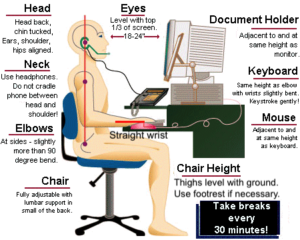
2) Double check your ergonomic situation. It may be helpful to get someone to take a picture of you while you’re working at your desk so you can see your own posture. If you use the phone, try a headset. Sitting at your computer, you should be looking straight ahead at the top third of the screen. If you are looking up or down, adjust either your seat height or the monitor. Your elbows should be resting at 90 degrees, and your wrists should be straight. Having them bent down or cocked back for the keyboard increases strain. Your knees should be at hip height or just above. If your chair is too tall, use a footrest. If you have a penny-pinching boss, you should know that OSHA can send out an ergonomic expert (free!) to suggest cheap/free fixes in your office.

When playing sports or working out, consult a coach or professional trainer to be sure you’re using good form. Learn the anatomy relating to your activity. In addition to preventing injury, your performance will improve! I used to be a bodybuilder and certified trainer, so feel free to ask me if you have any questions.

3) Stop as soon as symptoms start. Give your body a chance to heal. Ice and anti-inflammatory drugs like ibuprofen may be helpful here, as will an anti-inflammatory diet. Likewise, get care early. A new problem is always easier to chase away than an entrenched one. Myofascial release will free up adhesions. Osteopathic medical massage can retrain your tight muscles, and acupuncture will reduce inflammation.  Rest. Stretch gently, and do any physical therapy exercises your healthcare professional recommends. Try to avoid that activity for a while.

Frequently re-examine your routine and ergonomics to identify any areas that need improvement. By nipping problems in the bud, you can prevent a long-term aggravation.

Unexplained pain & its various causes

There are many reasons your body can hurt. It’s really frustrating when you don’t understand why, but often unexplained pain just means it doesn’t fit into a nice diagnostic box. We’re all familiar with muscle strain/sprain, fatigue, inflammation, and arthritis… you probably already know that acupuncture can help with these. Less understood by the general public are these causes of pain:

Viscero-somatic referral (Viscero= organ, Somatic=relating to the body): In this case your brain misreads a distress signal, so an organ problem feels like a muscular problem. The most famous example is the heart attack that creates an aching arm or jaw, or bone cancer masquerading as a back strain. Pain that doesn’t respond to treatment needs to be assessed by a medical professional to rule out dangerous causes.

Chronic spasticity: Healthy muscles are constantly changing their level of tension. They work with constant feedback from the cerebellum (part of the brain) to make tiny adjustments. This is how we keep our balance and perform tasks smoothly. When a muscle is tight for a long period of time, however, its setpoint changes. It thinks being tight is normal – this is called spasticity. It leads to stiffness, pain, and misalignment of bones as they are pulled out of place. Blood flow is blocked, creating painful ischemia. Tight muscles and misaligned bones can pinch nerves causing “electric shocks,” tingling, or numbness. This is what I see most often when people come in with unexplained pain. There’s nothing to show up on an X-ray or MRI, because the problem is functional, not structural. Massage is a great temporary relief, but to really fix it you need to treat the cause of the problem, the neurological setpoint. Acupuncture and Osteopathic-type medical massage remind the nerve controlling the muscle how it’s supposed to behave. Once the muscle relaxes, bones return easily to their proper place, and the body can heal itself.

Fascial adhesions: Each muscle fiber has connective tissue, called fascia, surrounding it like a layer of Saran wrap.

Connective tissue (white) and muscle fibers. When fascial adhesions form, it can cause unexplained pain.

Connective tissue (white) and muscle fibers

It may help to picture a muscle fiber as a drinking straw in a paper wrapper (sheath of fascial connective tissue). At each end, that fascia becomes our tendons. These sheaths are supposed to slide past each other as muscles move. With long periods of no movement, if the muscles are spastic, or if there’s an injury, they can stick together and form a fascial adhesion. When your muscles are shrink-wrapped together, it can cause muscle stiffness and unexplained pain. Some people like to get in and dig the adhesions apart, deep-tissue massage style. That works well in the short term, but it also causes inflammation… which causes scar tissue… so the adhesions reform.

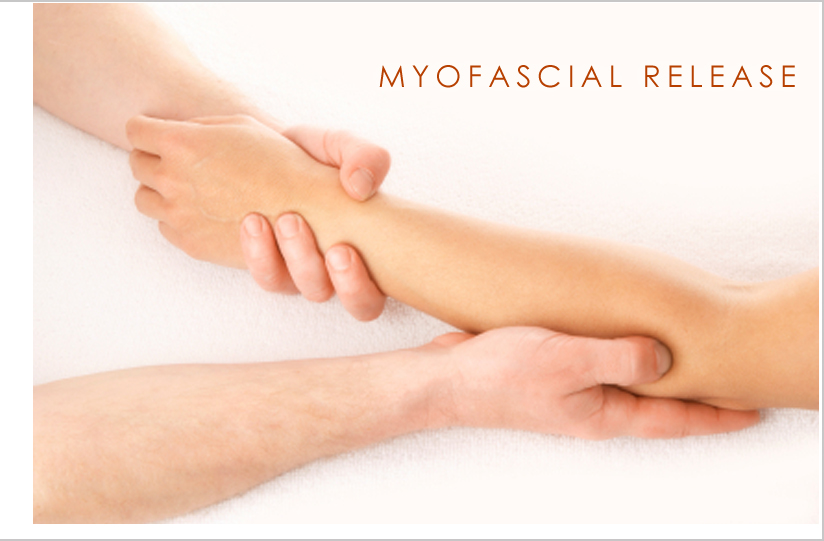
Myofascial release can help with unexplained pain.Myofascial release, a type of medical massage, uses a more subtle approach to slide the layers apart. I love doing this type of work because the result is immediate freedom of movement with no pain and no boomerang side-effects.

Emotional causes of pain: Sometimes the pain of an injury lasts far longer than it logically should. This usually points to an emotional attachment. The brain literally links the muscular dysfunction with the memory, and the unresolved post-traumatic stress around the incident will actually prevent the body from completely healing. This can happen with gradual, cumulative injuries too: Imagine a tight neck from a job you hate. Patients will frequently have an emotional release when we start working on the physical site. They may start crying, giggling, getting angry, or suddenly find themselves terrified “for no reason.” Once we get those remaining feelings flushed out, the muscles and tendons often recover rapidly. If you feel something emotional happening during a session, let it out! Releasing pent-up emotions is therapeutic for your body as well as your soul.

Doctors used to blow off psychosomatic illnesses as “all in your head” and not worth treating. The medical community now has a better understanding of the interplay between the mind and body. It’s a two-way street, and they affect each other profoundly. Chronic pain will screw up your neurotransmitters (chemicals in your brain) and temporarily change your personality. Likewise, an overthinking, worried mind can trigger digestive troubles like IBS (Irritable Bowel Syndrome).

If you have a chronic injury that isn’t healing, it’s worth reflecting for a few minutes. Is there anything your body is trying to tell you? If so, consider talking it out with a therapist or a good friend. Acupuncture can help balance your emotional life, but there may be some work needed on your part, too. Of course you’re welcome to discuss anything in our sessions, and your confidentiality is always assured.


Fibromyalgia & how to beat it

The FIRST thing to know about Fibromyalgia is that it’s real.

The SECOND thing to know about Fibromyalgia is that the pain and fatigue don’t have to be forever.

So many people, when they are finally diagnosed, have a bittersweet reaction. At last, they know what is wrong. They might feel vindicated, having endured the eye-rolls and boredom of family members who didn’t believe anything was really wrong. On the other hand, some patients take the diagnosis as a death sentence. They’ve heard nothing but a negative prognosis. They think they are stuck with the pain for the rest of their lives. Some people, exhausted and depressed, can even take on the disease as an identity. DO NOT do this. You are a beautiful person dealing with a temporary disease. There’s a Southern saying “If you’re going through Hell, don’t pitch a tent!” This is perfect advice. Resist the urge to wallow. Focus on the things you CAN do to make yourself better, and keep moving!

Everyone is different, of course, but I am here to tell you that most people CAN reduce or even eliminate Fibromyalgia symptoms. I used to be in a lot of pain… Now, as long as I am reasonable with my diet and exercise, my symptoms are very mild and very manageable! Let’s see how much progress we can make. I also take low-dose Naltrexone (a prescription made in a compounding pharmacy), which helps a lot.

I see FM as a kind of physical Post-Traumatic Stress. Generally it can be traced back to a physical or emotional trauma. The body’s pain system becomes oversensitive. It reads any little insult as a major injury. To stop this over-reaction, we have to decrease inflammation, reduce stagnation, and decrease stress.

Sleep: See my article on Sleep. Letting your body restore itself overnight is very important!

Exercise: Light, frequent exercise is key to reducing pain. In severe cases, you may need to start with a 5-10 minute walk once a day. That’s fine… just gradually increase the duration. Get up and move a little every few hours instead of sitting still all day. If all you can do is make snow angels in bed, do that. Try to keep your activity levels about the same day to day. Doing too much or being too sedentary will hurt – listen to your body!

Nutrition: Making a few changes in your diet can drastically reduce your pain. Find out if you’re allergic to something you’re eating (many people are an have no idea. Avoid the inflammatory nightshades (tomatoes, potatoes, eggplant, peppers, tobacco) as most people with FM tend to be sensitive to their natural alkaloids. This article contains full details on both of those topics and some recipes. Sugar is the other big offender. Some people are more sensitive to dairy products, commercial red meat, alcohol, and caffeine than others. It’s worth experimenting a little to find out how your body reacts. Go two weeks without the item in question, then have a big dose. See how you feel that day and especially the next. The answer is usually pretty obvious. If you’re ready/able to make big changes in your diet, you may find that eliminating starches (pasta, bread, rice, etc) can be surprisingly helpful. Alternatively, you can use a quick blood test to identify foods your body reacts to – I can do that in the office, so ask me if you have questions.

Try to eliminate fried and processed foods from your diet as much as possible. Anti-inflammatory foods like dark leafy greens and good fats are important to include.

Relaxation: Being happy is important, too. Pamper yourself by allowing time to read or pursue your other hobbies. Have fun! Enjoy a funny movie, hang out with your friends, pet a cat. Pay attention to the beautiful things in your everyday life.

Good touch: The hypersensitivity of fibromyalgia means that the wrong kind of pressure, even well-intentioned, can be very painful. Deep-tissue work and hard hugs are not appropriate. Instead, I use a gentle touch. I prefer myofacial release (MFR) and moxa as methods to break up stagnation rather than cupping for people with fibromyalgia. Cupping, especially if done too harshly, creates bruising / bleeding under the skin and contributes to excess inflammation. Careful medical massage techniques, including MFR, use a large contact (palm of the hand) instead of a pokey one (fingertips), and are wonderful for helping disperse blood and lymphatic stagnation. If there’s a partner in your life, I can teach them how to work on you. I am also conservative in my needling for FM patients. I use the skinniest possible (42 gauge) and just a few… too many can wipe out your energy.

Acupuncture: Acupuncture and Chinese medicine provide relief of symptoms by balancing Yin and Yang, and adjusting the circulation of Qi and the blood. A regular plan, with long-term, consistent integrative treatment is necessary in patients with fibromyalgia. See the patterns of FM as understood by Chinese medicine, listed below.

Address the cause: Most FM seems to stem from a past trauma, either physical or emotional. Many patients report a history of abuse. Find a good therapist or some other way to address any hidden grief. Some patients find it useful to write letters to people involved in these emotional injuries. Say it all. You can even write one to yourself (current you or younger you). It doesn’t matter if the person is still part of your life or if they are still alive – it’s about expressing yourself. Afterwards, burn the letter as a symbol of letting go of those emotions.

I can’t overstate the importance of this step. You may feel like you’ve dealt with whatever trauma kicked your FM off, but stop and think. Those land mines can be buried deep. In my case, I had to dig back to my sister’s death when I was 18, as well as the obvious car accident. Once I re-addressed my grief, the majority of my symptoms melted away. Take some time to find the splinters in your soul.

Keeping a daily diary that tracks your food, activity, and symptoms will help you identify patterns.  

Keeping your identity as separate from a disease, and focusing on the actions you can take, is important for everything herpes to HIV. Some people with long-term managed illnesses, like diabetes or fibromyalgia, actually wind up healthier because they get serious about their diet and exercise. This life is what we make of it. Go make something awesome! 

Common Typical TCM (Traditional Chinese Medicine) Patterns for Fibromyalgia

A person may exhibit more than one pattern.

Liver* Qi Stagnation – anxiety, emotional upset, headaches (including migraine headache), being easily angered, muscle stiffness in neck and shoulders, insomnia, waking frequently and having difficulty falling back to sleep, irritable bowel syndrome. All symptoms may be triggered by emotional stress.

Qi and Blood Deficiency – specifically spleen Qi deficiency and heart blood/liver blood deficiency, with such symptoms as chronic fatigue, exhaustion, dull headache, muscle weakness and numbness, insomnia, dream-disturbed sleep and waking up tired, palpitations and depression.

Qi Stagnation and Blood Stasis – aches and pains in the whole body, burning or gnawing pain with tingling sensations in extremities, headaches.

Kidney* Deficiency (either Yin, Yang, Qi or Essence Deficiency) – there will be impotence, lack of libido, or infertility issues. Other symptoms: sore lower back with restless leg syndrome, irritable bladder, dysmenorrhea, amenorrhea, premenstrual syndrome, hot flashes and night sweats.

* Please note that the Chinese organs are energetic concepts and may or may not relate to the physical organs!