.png)
Fascia – the best kept secret in healthcare
- Sharon Rose
- Jul 24, 2018
- 3 min read

Updated: Mar 17
I’ve talked about fascia before in this blog, but I wanted to expand on the topic: It’s SO important, and causes so many resolvable issues. It’s frustrating to me that fascia is unknown by average people, and ignored by so many types of healthcare practitioners. It’s ESSENTIAL in understanding biomechanical dysfunction and healing.
Imagine a new drinking straw. The plastic straw is the actual muscle fiber, and the white paper wrapper is the fascia. Those little flaps at the ends are tendons, where the muscle is connected to (the fascia of) a bone.
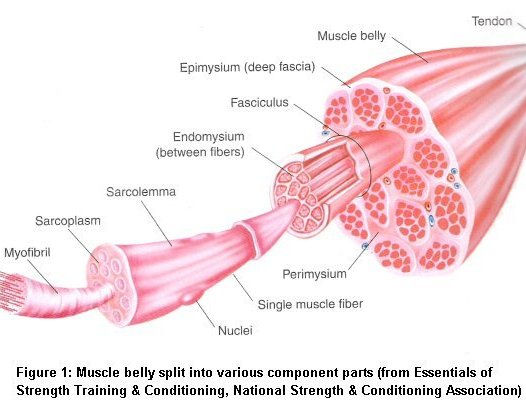
Fascia is the connective tissue that – literally – connects all of our parts. It’s why we are up walking around instead of a pile of organs and bones on the floor. These delicate layers of tissue are supposed to move past each other inside us as we move, but sometimes they get stuck. Trauma like injury or surgery, a sedentary lifestyle over long periods, and chronic inflammation are frequent causes of fascial adhesions.
If you're a meat eater, you've seen fascia in your ham or steak: that white, translucent sheeting like layers of Saran wrap. Once I bought a rotisserie chicken from a regular grocery store. As I was taking it apart, I was stunned at how bound up the bird was, compared to the free-range chickens I was used to. A lifetime of forced inactivity had created fascial adhesions all over. The muscles were all shrink-wrapped in place. I told Robert “This poor chicken needed a massage!” I felt so bad for it. Just another lesson on how important light, frequent movement is for our bodies.

Connective tissue / fascia (white) and muscle fibers (tan)
Tight fascia will pull on our muscles and bones, preventing free movement and potentially causing misalignments. Because the shin bone is connected to the knee bone, and the knee bone is connected to the thigh bone (are you singing yet?), an adhesion in one area can pull and cause dysfunction in another part of the body. In severe cases, it can constrict nerve and blood vessel function, creating swelling, pain, or numbness & tingling.
This is why sometimes stretching doesn't seem to help. The problem isn't just tight muscles - it's also fascial adhesions shrink-wrapping you in place.
Resolving fascial adhesions is as simple as knowing the right techniques. I love myofascial release, an advanced type of medical massage. It's less painful than aggressive deep tissue massage and gives instant results.

Enduring a painful massage isn't necessary, and in fact will decrease the effectiveness of the work. Your body can't tell the difference between someone trying to help you, and a new injury. Once that pain alarm goes off, it signals damage and sets a few responses in motion.
1) The muscles tense to splint and protect the area.
2) There's an immune response because there might be broken skin
3) Sticky connective tissue will rush in to glue up whatever is torn or bleeding. Since there's no new damage for it to clot around, the adhesions you just broke up will reform themselves.
Myofascial release is gentler both to receive and to give. We subtly separate the layers of fascia so you can move again. About 50% of people can feel the adhesions letting go, and it feels marvelous! I can do it for you, and I can show you how to treat yourself and your loved ones.
Nerve flossing, moving to free a nerve from fascial entrapment, is a tool you can use at home. For sciatic nerve pain, stand with your feet a little further than shoulder width apart. Bend over so your elbows are resting on your knees. S.l.o.w.l.y straighten and bend your knees 10 times, so it looks like the weirdest geriatric twerking ever.
For hard-to-reach areas, you can use a foam roller to soften the adhesions. I advise people to use it against a wall, rather than lying down on it, because you can control the pressure better. Remember you do NOT want to cause intense pain – that will spark an alarm response. It’s best to use the roller gently, then move. Go for a walk or do your usual workout. Movement will help release those weakened adhesions.
Likewise, those home massagers and thumpers can be helpful, but I recommend you use the lowest setting, and don’t go for more than 10 minutes.


Comments