2) Avoid fried foods. Enough said.
3) Grain-fed red meat is a problem for some people. Grass-fed meat is less inflammatory, since the fat structure is different.
4) You can counteract pain by eating ANTI-inflammatory foods. Dark leafy greens like kale and spinach will help a lot. Berries (except for goji and blueberries), turmeric, garlic, celery, pineapple, cocoa, ginger, and foods containing good fats (extra-virgin olive oil, coconut oil, avocado, salmon, nuts & seeds) are great, too. If you are sensitive to oxalates, however, be careful not to overdose on the dark leafy greens.
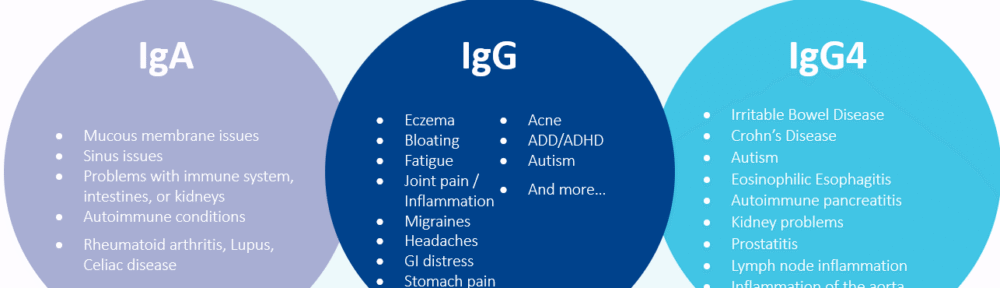
5) Foods your body doesn’t like. More and more, I’m seeing personal sensitivities to foods that are healthy for others. In particular, women past menopause seem to develop food allergies. This can be a delayed response, so it’s hard to recognize. Reactions to dairy or wheat, for example, are pretty common. I’ve also seen legumes, eggs, oats, soy, and even vanilla. Every body is different. Inflammation in the gut will encourage inflammation all over the body.
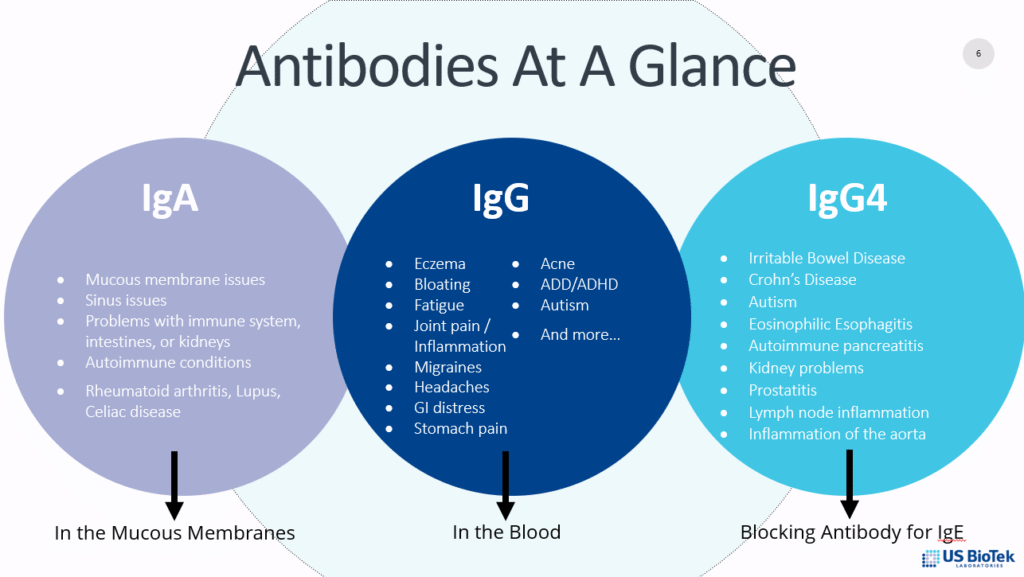
My IgG reaction, for example, shows up wherever I have arthritis. For me that’s my hands and lower back, and I very much feel the difference the next morning. This doesn’t mean you have to give up the problematic food forever! You can pick your battles, and choose when it’s worth it. The best news is that – because allergies are your immune system over-reacting to a benign substance – in some cases, avoiding a particular irritant can correct the overreaction and “heal” the allergy over time! Acupuncture helps speed up this process.
The changing, adapting nature of our immune systems also means that a test more than 2 years old should probably be repeated to identify new triggers. Most MDs only test for IgE, the deadly anaphylaxis type of reaction. These three above are more subtle, but can make you miserable.
You can skip testing and do an at-home elimination diet, but that requires a serious commitment. You can also keep a spreadsheet of everything you’re eating, and track your symptoms, to find patterns. I like putting foods down the side, and dates across the top. As I eat something, I check off the box for that ingredient and that day. Since mine manifests as joint pain the next morning, I get up and color code the previous day: White for no pain, pale yellow for a twinge, yellow for moderate achiness, red for pain. After a few weeks I could look back and see which foods were causing trouble. This is what worked for me – you should use whatever format works for you.
I now also have access to blood testing (we prick your finger in the office and send off a blood spot card) that can identify which foods you’re reacting to. It’s not cheap, but it’s incredibly helpful and much easier / faster than a thorough elimination diet. Finding out all the foods that were causing trouble has eliminated my daily pain!!
I tried going off wheat and dairy for a month last year, and didn’t see a difference, so I went back to them. It turns out I was also having an inflammatory reaction to eggs and oats, which were my usual two breakfast options. Cutting them all out (in addition to the nightshades I had already banned) made a stunning difference. In three days, my extensive joint pain just evaporated. I’m pain-free for the first time in decades! I’m NOT saying everyone needs to avoid all these foods: This was how my body was reacting. You may have fewer allergies, or none at all.
After two months of eating a strictly anti-inflammatory diet, I had a weekend camping with friends, full of wheat and dairy, and still felt great. The pizza I had Sunday evening pushed me over the edge though – Monday morning my hands and lower back were definitely speaking up. I expected that would happen, and made a quality of life choice to enjoy that pizza! And yes, it was totally worth it.
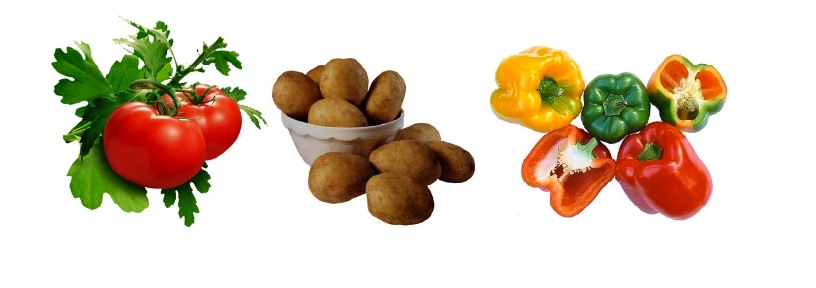
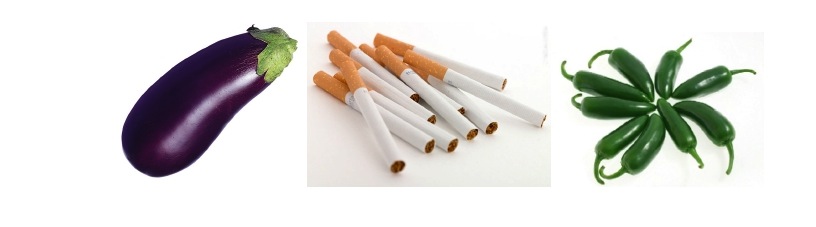
6) The Nightshade (Solanaceae) plants contain a small amount of an alkaloid toxin called solanine. Some people aren’t bothered by it. Other people, especially those with auto-immune issues & arthritis, tend to be sensitive to this family of plants. Most are unaware of the pain they are causing themselves, because they eat them so often, and because the inflammation & ache are delayed up to 24 hrs.
Tomatoes
Potatoes (Sweet potatoes and yams are ok)
Peppers, including spicy, chili, and bell peppers, and paprika (Black, white, and green pepper is ok- it’s actually a peppercorn. Long pepper is ok, too.)
Eggplant
Tobacco
Although less well known, Goji berries and gooseberries are nightshades, too.
Note: Blueberries, huckleberries, artichokes, cherries, apples, sugar beets, and okra are not in the Nightshade family, but they also contain solanine.
The good news: It’s very easy to find out if you are Nightshade sensitive. Simply remove all of them from your diet for two weeks You’ll have to read labels carefully. “Spices” may contain paprika, and lots of prepared foods like shredded cheese can contain potato flour, labelled as “cellulose.” After two weeks of avoiding them, have a big dose. Enjoy that eggplant parm with marinara sauce, a pile of potatoes, or drink a V8. See how you feel that evening and the next day. If within 24 hrs your pain is worse, you are Nightshade-sensitive. Wherever you have inflammation, that’s where it will show up. If not, congrats – you can go back to all the tomatoes you want.
The alkaloid is degraded by extreme heat. Deep-frying will destroy solanine … but fried foods are inflammatory for other reasons, so don’t get too excited. I will eat a small amount of potato chips on a special occasion because they are fried all the way through, but not french fries, since they are still squishy in the middle.
The combination of Nightshades and sugar is a doozy. I can get away with a small amount of tomato paste, but even a tiny squirt of ketchup used to make my hands ache the next day.
Following an anti-inflammatory diet is a relatively simple way to decrease your pain and make a real difference in your quality of life. Some people have inflammatory reactions to dairy or wheat, and that may be worth testing the same way as the Nightshades. You don’t have to be perfect all the time – just make conscious choices.
Spicy food junkies: Fear not! You can still enjoy horseradish & wasabi, onion, garlic, ginger, and all the peppercorns, including long pepper.
Here’s a nightshade-free curry recipe and one for NonNightshade Mexican. Substitute either cauliflower or sweet potatoes for regular potatoes. Pizza and pasta are great with pesto sauce. There are wonderful southern vinegar-based BBQ receipes. There’s even a “No-Mato” marinara sauce I found online (OMG SO GOOD!!!! I used the higher levels of spice for everything and loved it! If you use all regular beets it’s purple. If you use 50% regular beets and 50% golden beets, you’ll get a red sauce with a less “beety” taste. Freezes well, too!).
Like to eat out? Free restaurant cards are here.
UPDATE: Now that I’ve been Nightshade-free for a while, my sensitivity has decreased drastically. There seems to be a cumulative effect. By staying away 99% of the time, and preventing a build-up of inflammation, you can enjoy the occasional indiscretion. This is more and more true as time goes on! Now, I can “cheat” about once a week without effect. I can even indulge in big naughtiness once in a while. Be patient!
*Diet soda isn’t a good solution. While it doesn’t contain sugar, the artificial sweeteners cause their own problems, including triggering the body to start storing more calories as fat.